

Moisture barriers for long-term protection
Attic Crew's moisture barrier professionals protect your home from unwanted dampness, mold and mildew. We design and install vapor barriers that seal ground moisture out of your crawl space for good.
- Heavy-gauge Visqueen barriers, sealed at every seam
- Piers wrapped and edges sealed to the foundation
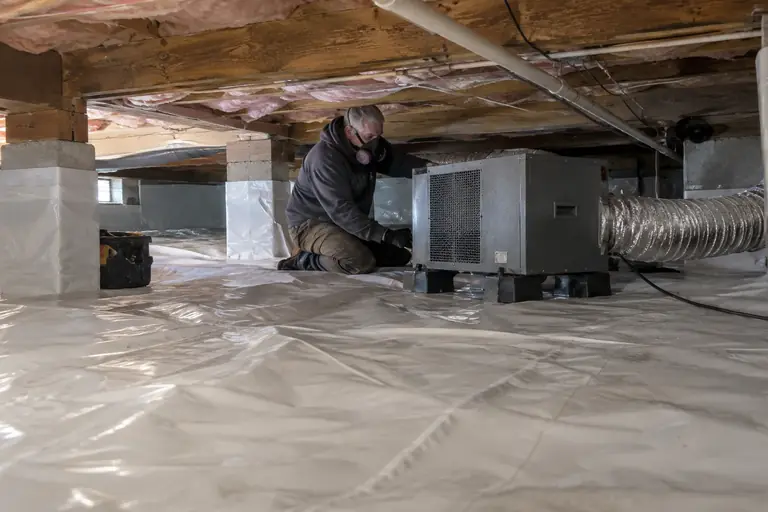
- Drainage and sump pumps where water collects
Get your free moisture barrier inspection
Tell us about damp, musty smells or standing water under your home.
Extra moisture leads to dampness, mold and mildew
That moisture is also the perfect environment for pests to move in and damage the space. The best way to keep mold, mildew and pests out from under your home is a properly installed moisture barrier.
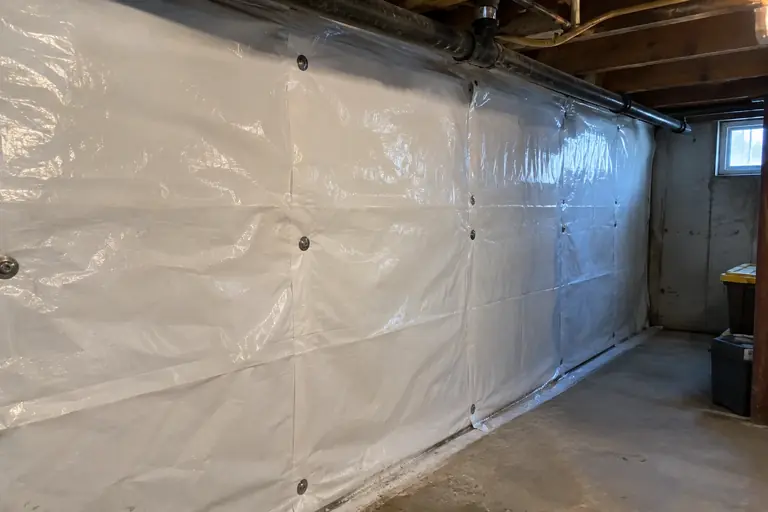
Also called a vapor barrier, a moisture barrier is one or more layers of specialized plastic sheeting, typically Visqueen, sealed to encapsulate a crawl space, basement or exterior wall. Designed and installed well, it keeps water and the outside elements from undermining your home's structure.

What a moisture barrier does for your home
Eliminates moisture
Stops ground moisture from evaporating into the crawl space.
Prevents wood rot
Keeps joists, beams and subfloors dry.
Prevents mold growth
Less humidity means mold and mildew can't take hold.
Keeps out pests
Dry, sealed crawl spaces are far less attractive to pests.
Gets rid of odors
No more musty smell drifting up into the house.
Adds value
A clean, dry crawl space is a selling point.
Vapor barriers belong in Northwest homes
“In most U.S. climates, vapor barriers, or more accurately vapor diffusion retarders, should be part of a moisture control strategy for a home.”U.S. Department of Energy
The International Residential Code calls for a Class I or II vapor retarder on the interior side of frame walls in marine climate zone 4, which includes Seattle and Tacoma. Under the floor, a sealed ground cover keeps the soil's moisture where it belongs.
We also install plastic or foil vapor barriers on basement and exterior walls, attics and roofs to keep water vapor in the household air from moving into insulation and the structure around it.
How we install your moisture barrier
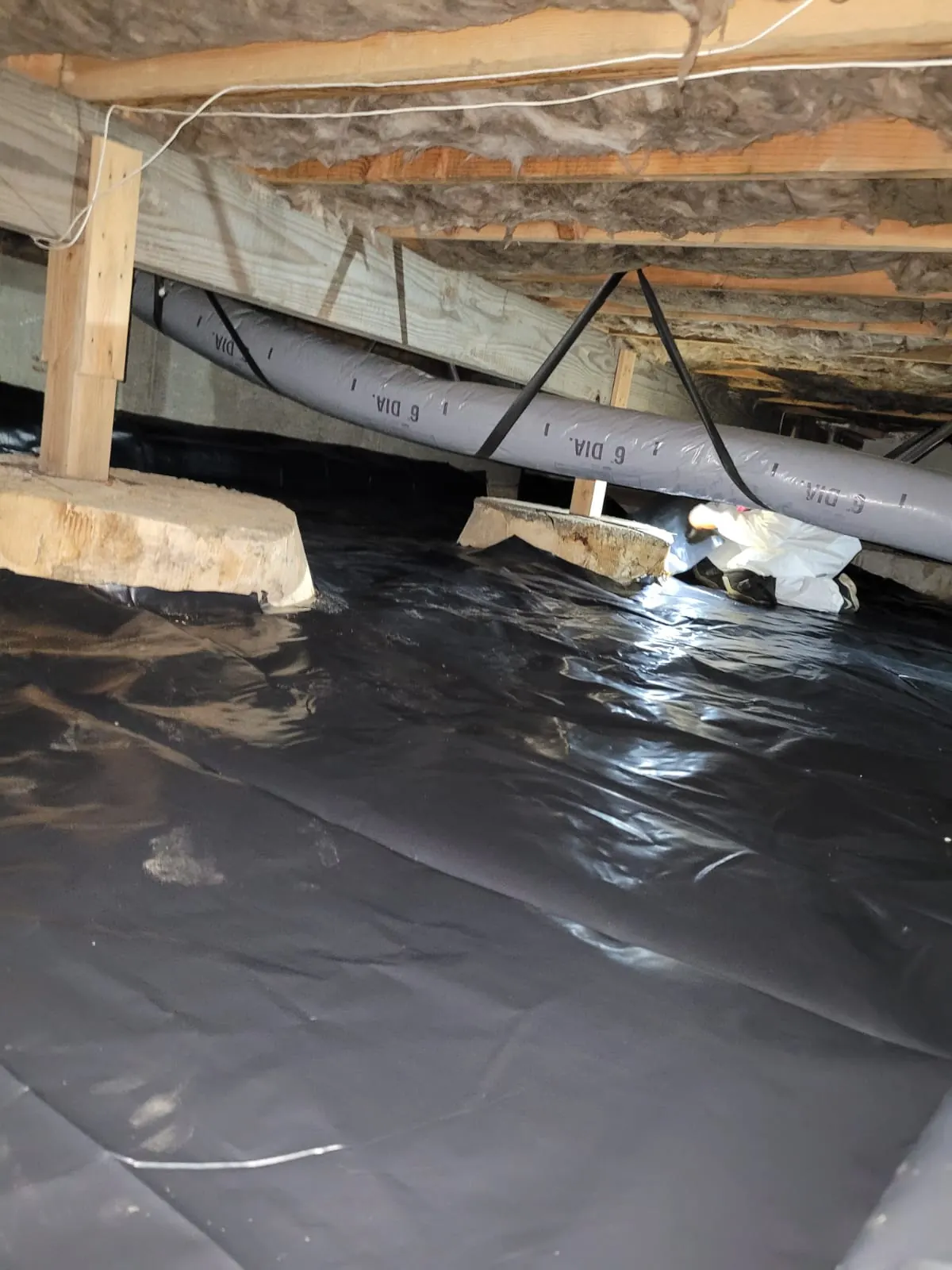
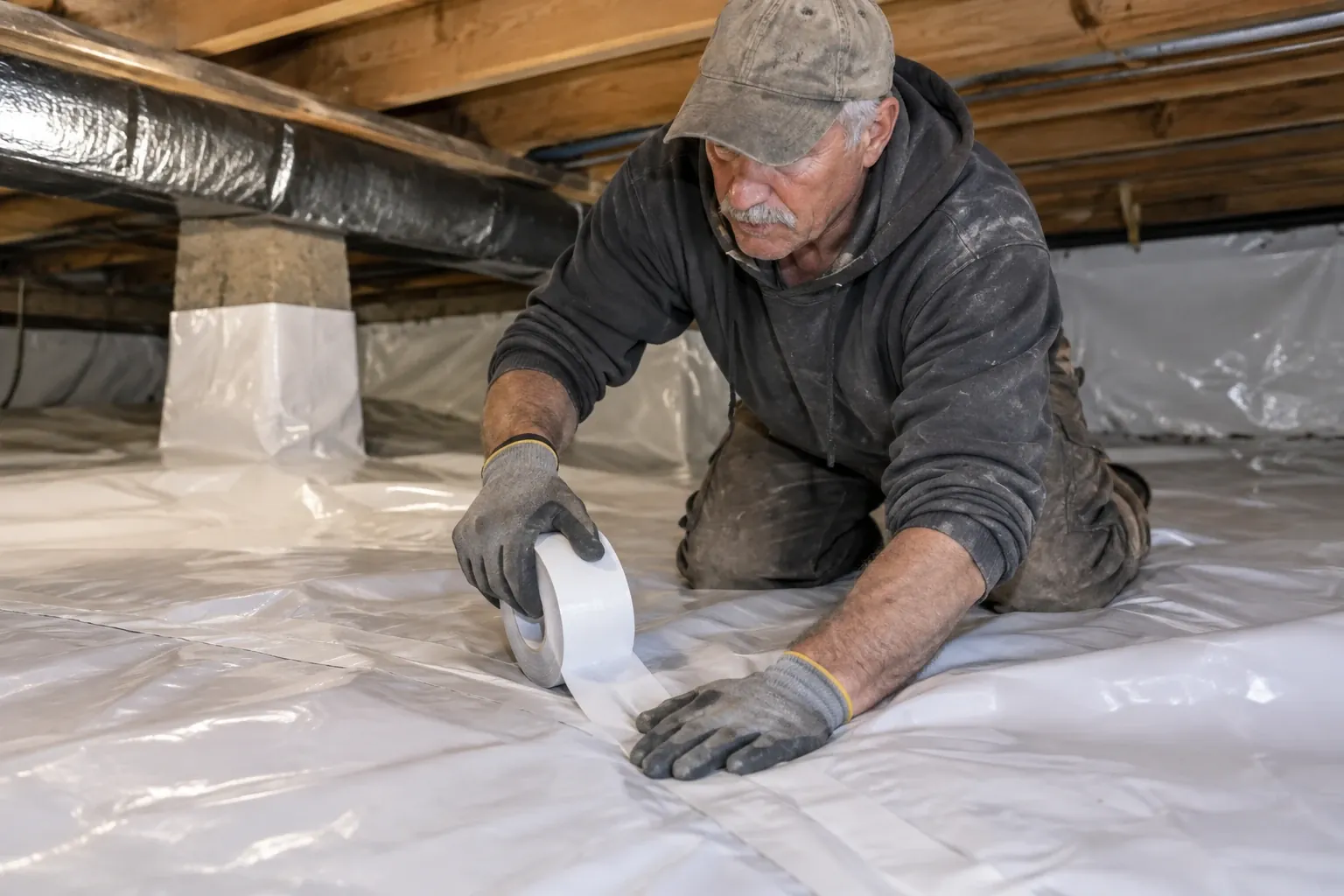
We use high-quality Visqueen and advanced sealing materials (up to 20 mil thick) to create a permanent physical barrier between water, soil and your home's structure.
- Inspect for standing water, damaged insulation and pests
- Clear debris and fix drainage, adding a sump pump if needed
- Lay heavy-gauge sheeting across the full crawl space floor
- Overlap and tape every seam
- Wrap piers and seal edges up the foundation walls
- Repair or replace under-floor insulation
Anatomy of a sealed crawl space
Read this guide as text
- Ground coverA moisture barrier covers the soil from wall to wall.
- Taped seamsOverlaps are sealed so moisture can't get through.
- Wrapped piersThe barrier runs up and around every pier.
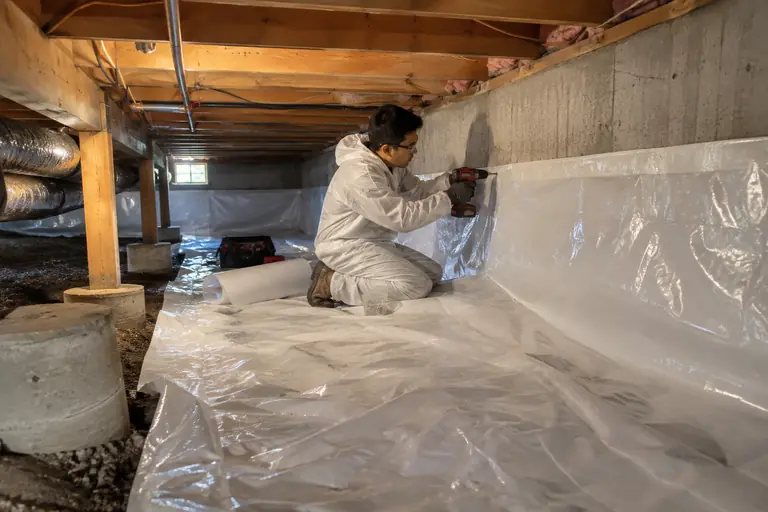
- Sealed wallsThe barrier is sealed to the crawl space walls.
- Sump systemA sump pump handles water that collects.
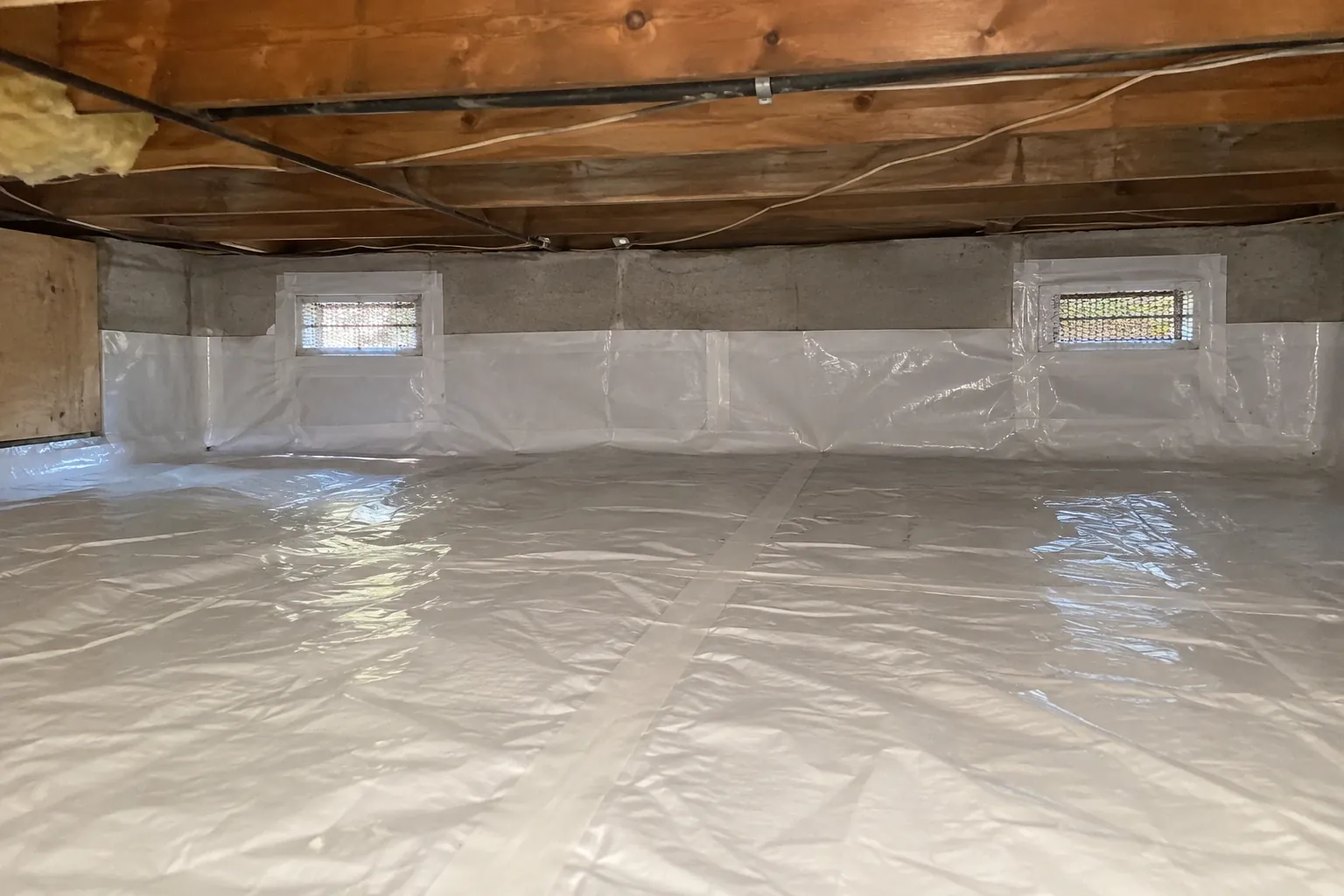
Moisture barriers in a vented crawl space on a mid-century rambler
Capitol Hill, Seattle · from first look to finished job
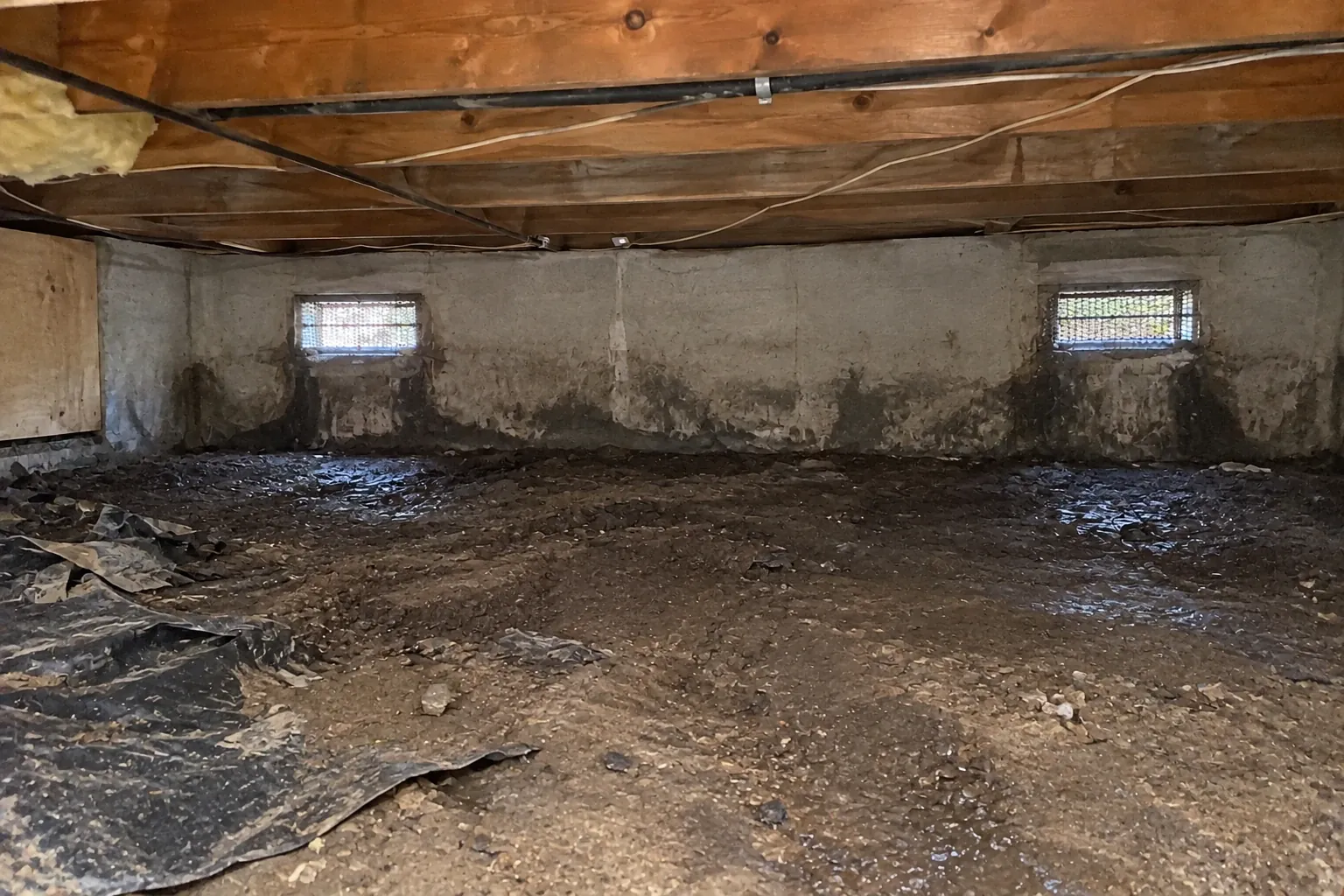
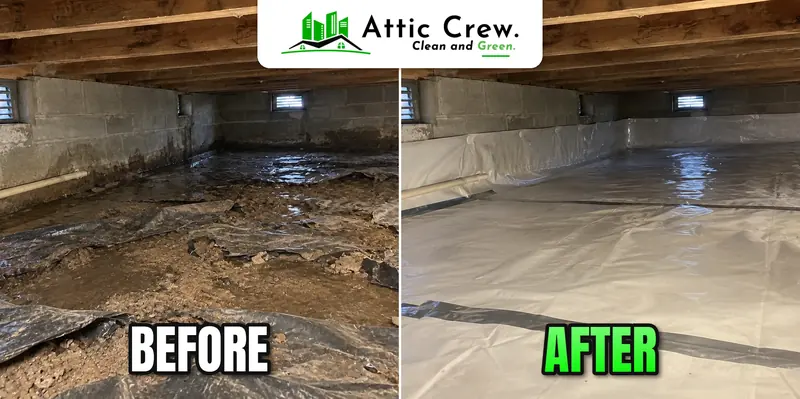
- Before
The crawl space floor is bare and damp, with torn plastic debris and moisture clearly visible under the vents.
- In progress
A technician clears away the old torn vapor barrier remnants and debris to prepare the crawl space floor for the new moisture barrier.
- In progress
A technician installs the new vapor barrier sheet, carefully positioning and.
- After
The crawl space is now fully protected with a clean, sealed moisture barrier installed, eliminating all previous dampness and debris.
Some images show actual Attic Crew jobs; others are representative, with details changed for customer privacy.
Moisture barriers projects
Tap any photo or project to see it full size and step through it.
More moisture barriers projects
 5 photos
 4 photos
 4 photos
 4 photos
 4 photos
 4 photos
 4 photos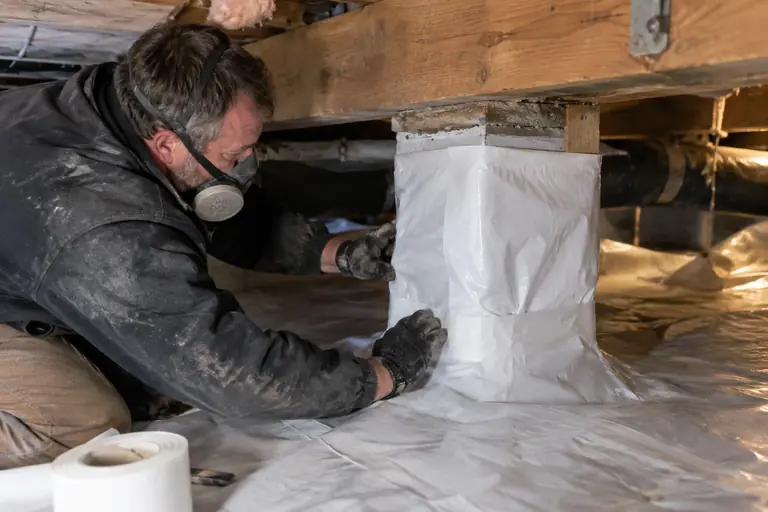


Some images show actual Attic Crew jobs; others are representative, with details changed for customer privacy.
What our customers say
Rated 4.9 on Google, with 5-star reviews on Yelp, so you can breathe easy knowing you're in good hands.
“I had a fantastic experience working with the Attic Crew. The fact that they are a one stop shop for clean up, rodent control and insulation made everything so simple and seamless. Their bid was competitive and their quality is excellent. This is definitely the company you want to work with.”
“After 19 years, my crawl space was a disgusting mess due to being inhabited by rodents. Jay came to my home to make an inspection and recommendations. He showed me photos of the problem and explained exactly what was needed to be done. Two weeks later as planned, Wais came out with the crew right on time. When the job was completed, I was again shown with photos exactly what was done and was beyond satisfied with…”
“Ahmad and his crew did a great job to complete the work. They were very efficient. They removed old insulation, sanitized and put new insulation in the attic and cleaned out the crawl space. Also mended some torn nets. It was also easy to get an estimation and schedule the work.”
Moisture Barriers FAQ
What's the difference between a moisture barrier and a vapor barrier?
They're often used to mean the same thing: plastic or foil sheeting that stops water vapor moving into the structure. In crawl spaces, it's a heavy sheet laid over the soil and sealed at the seams, piers and walls.
Do building codes call for vapor barriers here?
The U.S. Department of Energy says vapor barriers, or more accurately vapor diffusion retarders, should be part of a moisture control strategy in most U.S. climates. The International Residential Code calls for a Class I or II vapor retarder on the interior side of frame walls in marine climate zone 4, which includes Seattle and Tacoma.
How thick should a crawl space vapor barrier be?
Thicker sheeting resists tears from foot traffic and stored items. We use heavy-gauge Visqueen up to 20 mil and recommend the right thickness for how the space is used.
Can you install a barrier if my crawl space floods?
Yes, but the water comes first. We add drainage and a sump pump where needed, then seal the space.
Related services
Let's get you an estimate
We quote firm prices so there are no surprises. Book your free moisture barriers inspection today.